As Fall/Winter podiums prepare to return, Paris once again steps into its role as the world’s fashion capital. Paris Fashion Week is not simply a date on the calendar. It is a cultural moment that transforms the city into a living stage where history, design, and movement intersect. In anticipation of the upcoming season, there is no better source of inspiration than a return to the fashion shows of the 1960s, an era when runway presentations became immersive experiences, and Paris events were inseparable from artistic expression.

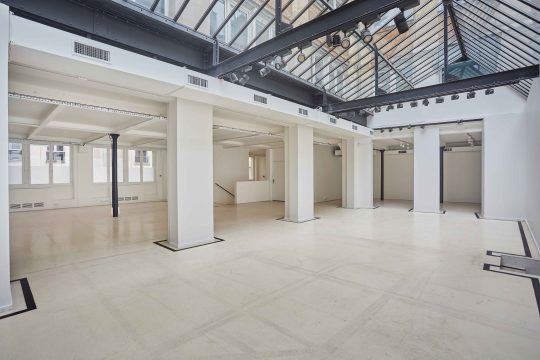
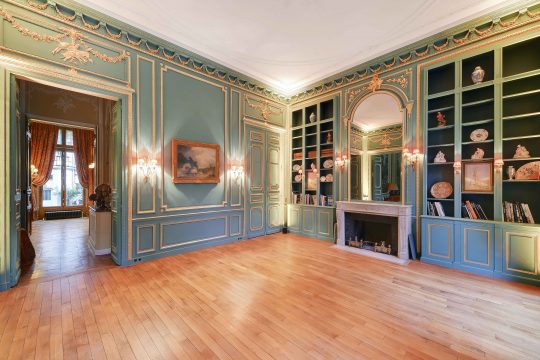
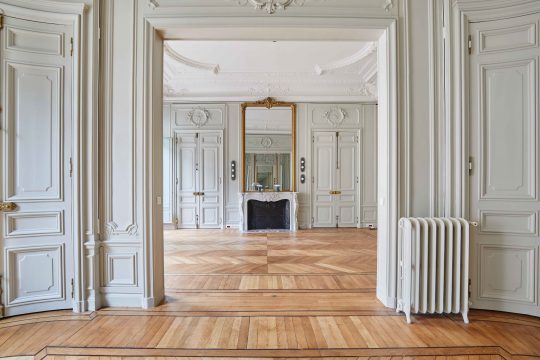
During the 1960s, the concept of the lieu défilé (fashion show) evolved dramatically. Fashion shows moved beyond traditional salons and entered unexpected spaces throughout Paris, transforming how collections were presented and perceived. Designers embraced locations that carried mood, rhythm, and narrative, allowing garments to interact with architecture, light, and atmosphere. Houses such as Yves Saint Laurent played a defining role during this period, presenting collections that felt modern and closely connected to the cultural movement of the city. The setting became just as meaningful as the silhouettes on the runway, laying the groundwork for how Paris Fashion Week continues to operate today.

The energy of a 1960s défilé was immediate and alive. Fashion shows felt closer, more personal, and driven by movement. Designers like Courrèges challenged traditional runway formats, favoring forward motion and environments that reflected a changing society. Models walked with intention, surrounded by photographers focused on capturing motion rather than polished stillness. Audiences were close enough to feel the movement of the fabric and the pulse of the room, creating an experience that felt immersive and spontaneous.

Photographers such as Mark Shaw played a critical role in shaping how these moments were remembered. His images captured fashion in motion, revealing the atmosphere, rhythm, and energy of the runway rather than static perfection. By documenting models mid-step, backstage moments, and the interaction between fashion and space, his work helped define fashion shows as cultural events. This visual language contributed to the transformation of Paris Fashion Week into a global moment, where image, setting, and emotion become inseparable.
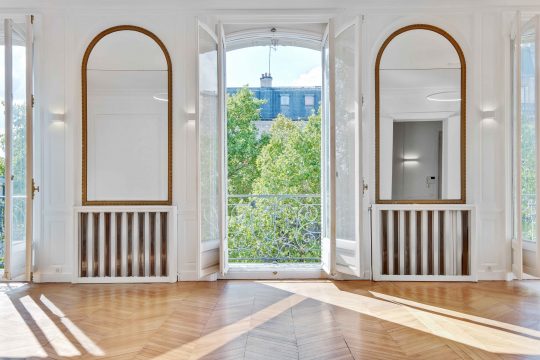
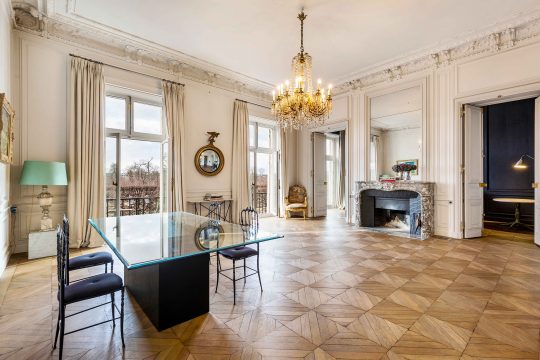
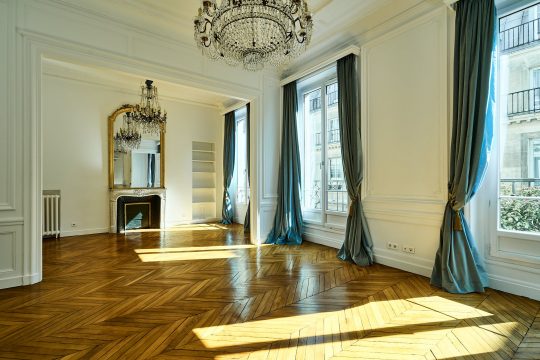
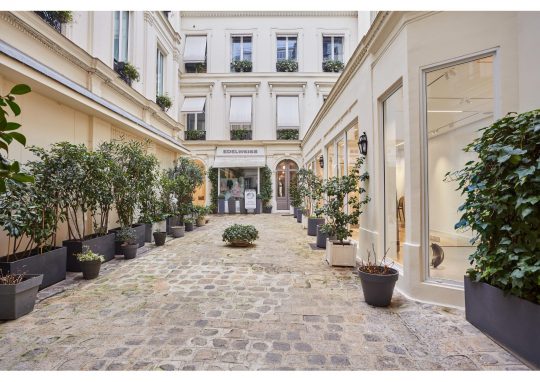
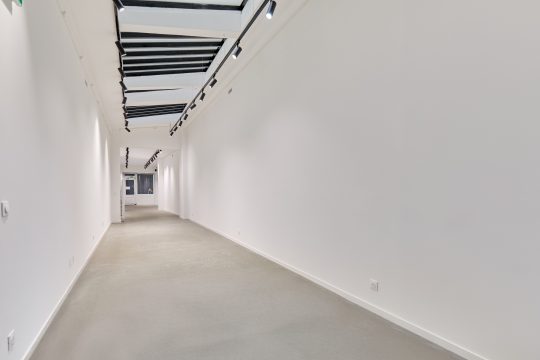
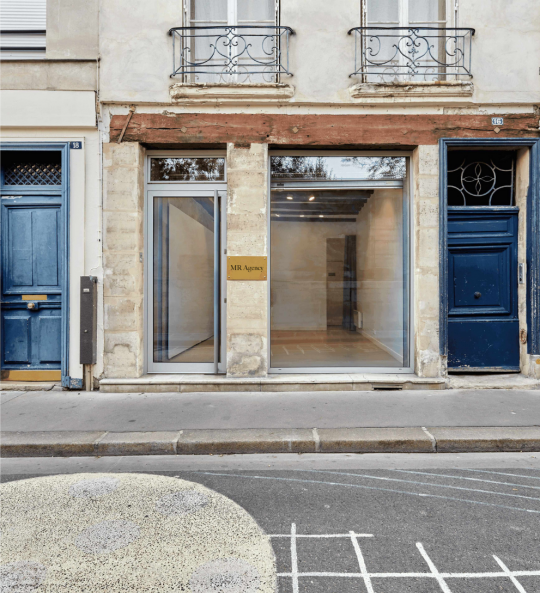
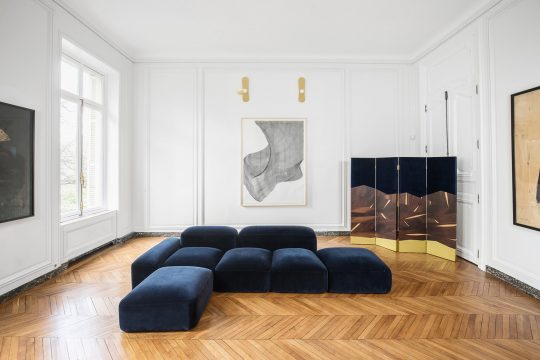
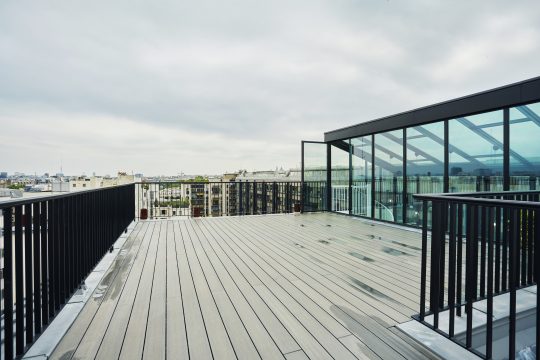
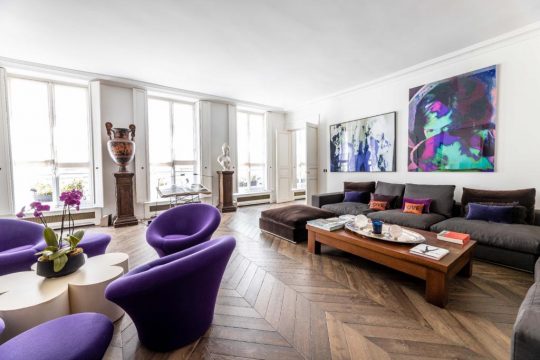
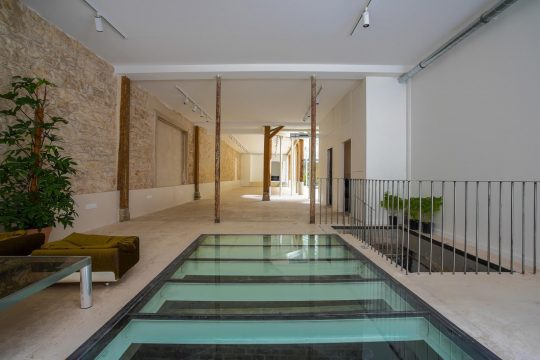
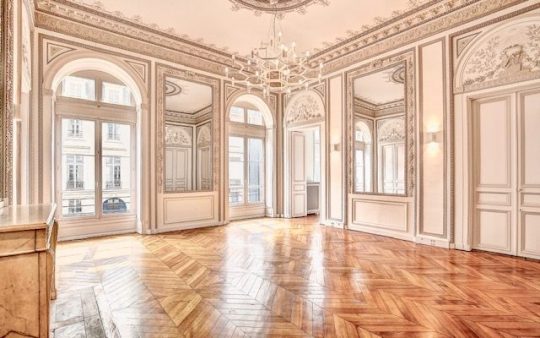
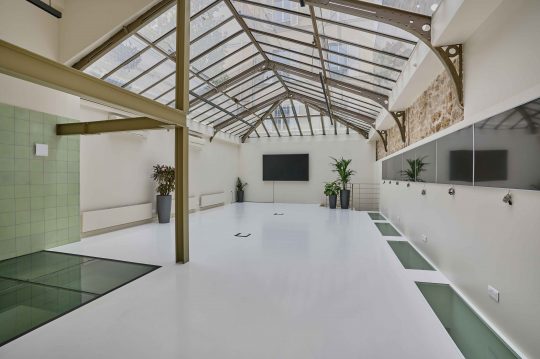
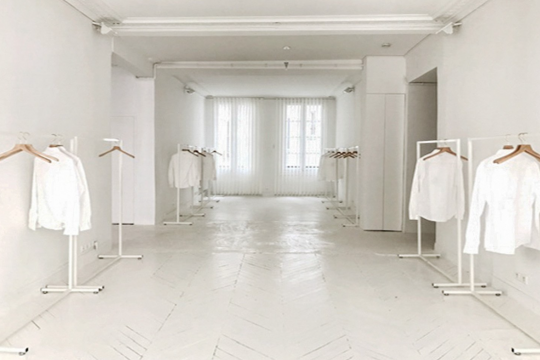
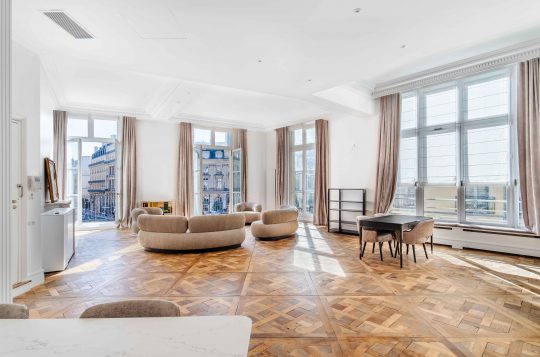
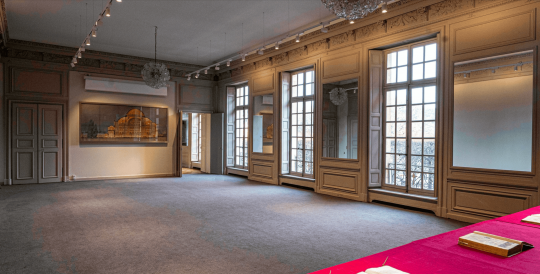
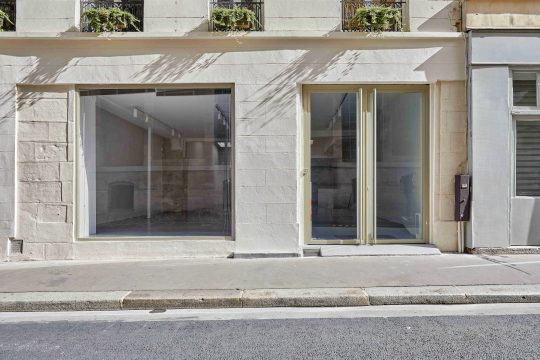
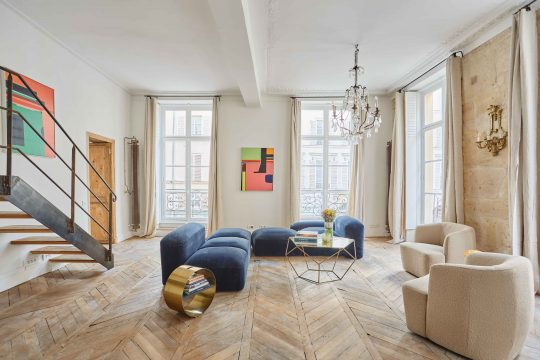
Today, the influence of the 1960s remains unmistakable. Contemporary PFW shows continue to prioritize atmosphere, authenticity, and a strong connection between fashion and place. Whether staged in historic buildings or modern venues, Paris events still reflect the belief that the setting is part of the story being told.
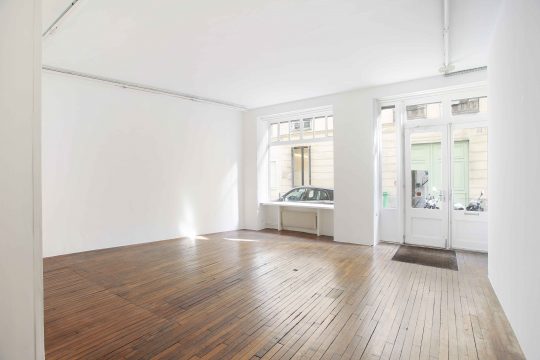
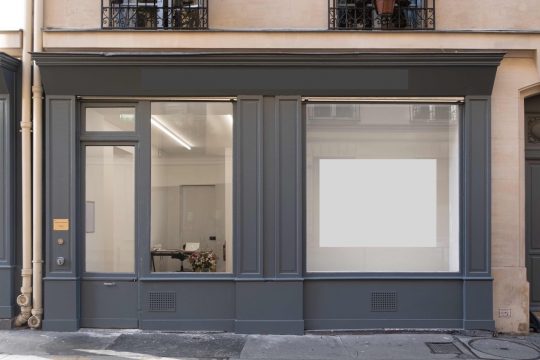
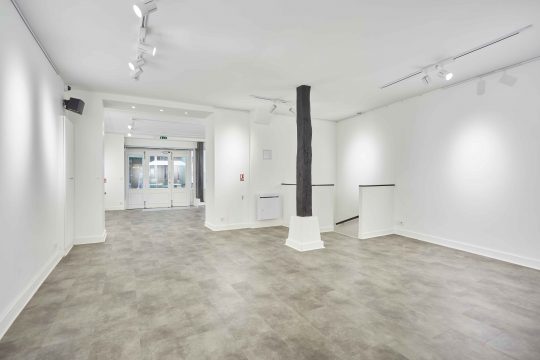
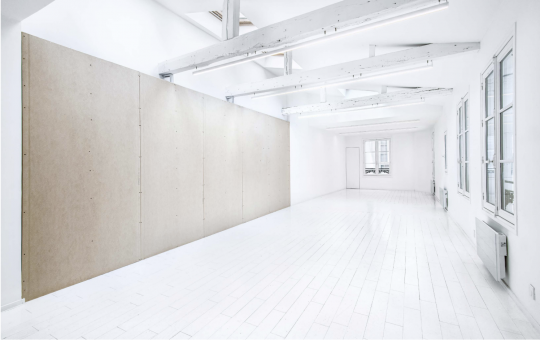
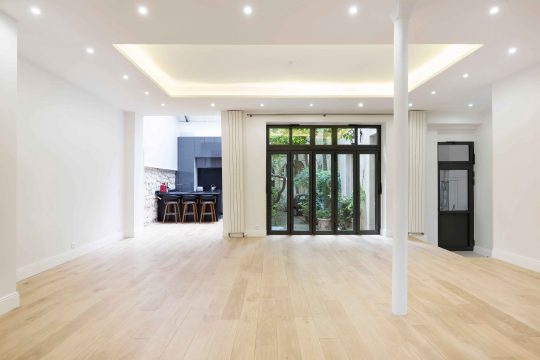
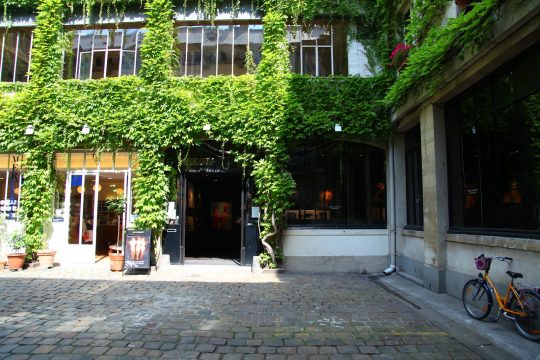
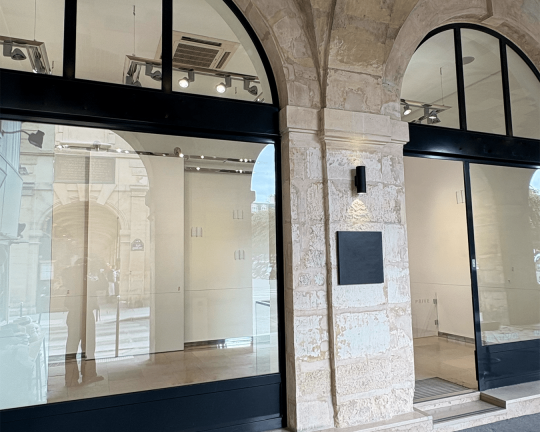
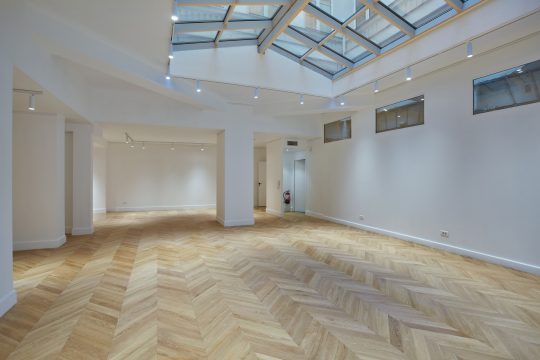
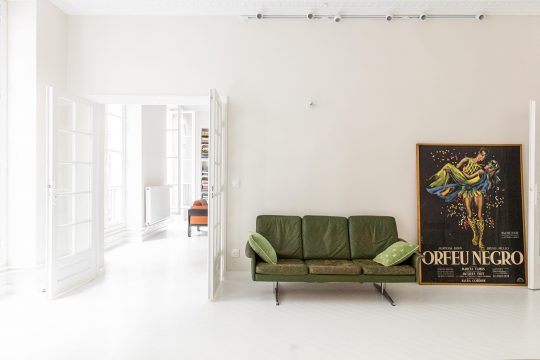
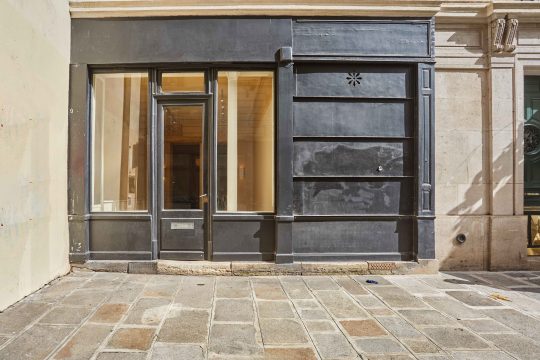
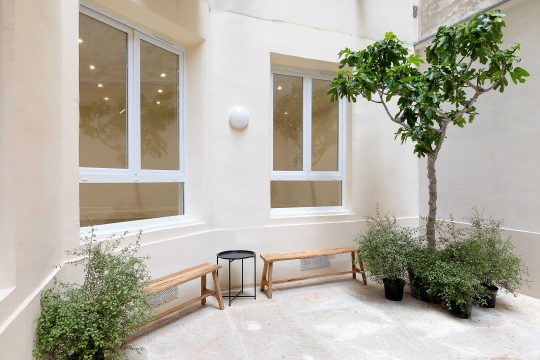
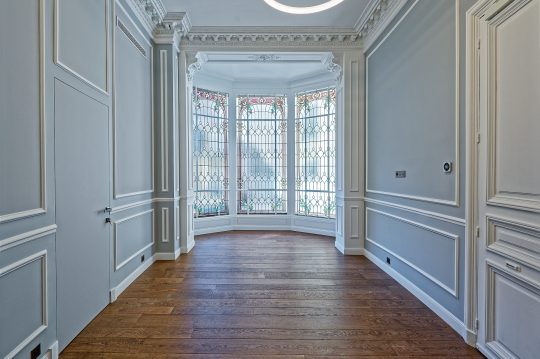
As Fall/Winter collections return to the runway, the legacy of the 1960s fashion shows serves as a reminder that fashion in Paris has always been about more than clothing alone. It is about movement, context, and experience. If you are planning a fashion presentation, brand experience, or private gathering in Paris, the choice of venue is essential. Book your next fashion event with us and create an experience shaped by the energy, history, and creative spirit of Paris.
All images from: ©Mark Shaw/mptvimages.com & Julien Mouffron-Gardner